
Inside the Union Parish Most Wanted Program
Crime Stoppers is the local most wanted program in Union Parish, and the sheriff's office sponsors it while citizens, not a court, fund it. Its whole purpose is gathering information. No court runs it. Someone who knows about a serious offense or a wanted person can share what they know, stay anonymous, and have the tip passed to law enforcement. The program guards the caller's identity throughout. Union Parish publishes no sheriff's page listing every open warrant, so these curated programs are a narrow window rather than a directory. A feature changes nothing about the case itself. The issuing court alone controls whether a case stays open.
Union Parish Most Wanted Tips and Crime Stoppers
Crime Stoppers takes tips 24 hours a day. Call (318) 368-9679 or use the web. The program says it does not use caller ID and does not record conversations, so Union Parish callers stay anonymous. Each caller receives an identification code, used later to check on a reward without giving a name. The program page carries the online tip form.
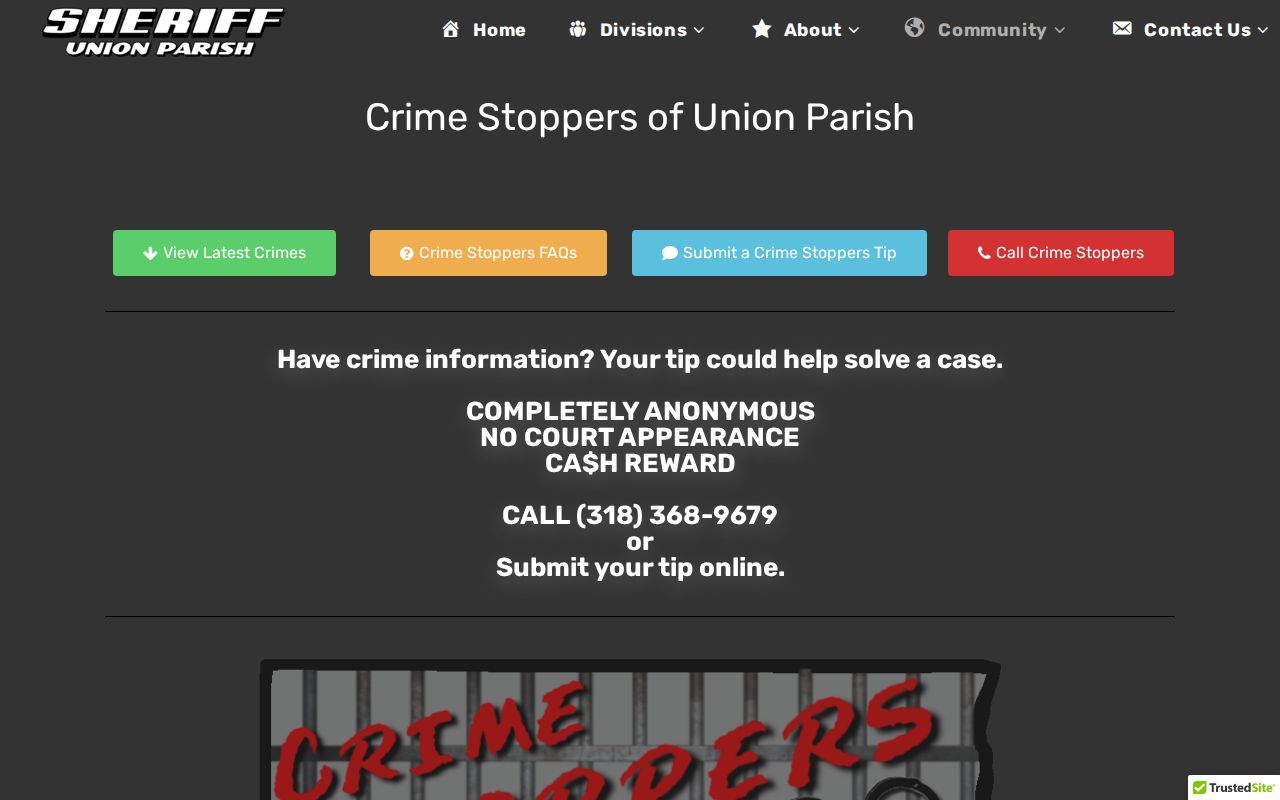
The program exists to collect public tips. Union Parish court status questions belong with the court, not the tip line.
How Union Parish Most Wanted Lists Work
Curated lists are selective, and that trips people up. The program picks which cases to feature. It can change what it publishes without notice. No Union Parish source publishes a fugitive-of-the-week schedule, a monthly refresh, or a rule on how long a case stays featured. Those are editorial choices, not legal ones. Because the editors choose, a person missing from a public list in Union Parish can still have an open warrant. The reverse holds too. A featured case is publicized for a reason. The right response is to contact an attorney, not the tip line. A featured case and an active warrant are simply not the same measurement.
Union Parish Most Wanted Reward Rules
Crime Stoppers in Union Parish pays rewards for information that leads to an arrest or an indictment in a felony matter. An executive committee decides the amount. No dollar range, reward cap, or payment timeline appears anywhere in the official Union Parish material, so treat any figure with doubt. Anyone quoting a number is guessing. Payment runs through the identification code. The tipster calls back with that code to ask about the case status and arrange the payoff details. Guard that code above all else. It is the only link between the tipster and the reward.
Sending a Most Wanted Tip Safely
A tip works best when it is specific and stays inside an official Union Parish channel. Call emergency services for anything happening now. Use the anonymous program for information checked later.
- Call 911 first if anyone is in immediate danger.
- Use the Crime Stoppers phone line or its online form for information about a past offense.
- Give what you actually observed, including time, place, and description, and avoid guessing.
- Keep the identification code the program gives you.
- Do not approach a person you believe is wanted, and do not try to verify the case yourself.
Key Point: The Union Parish program does not use caller ID and does not record calls. Rewards require information that leads to an arrest or indictment in a felony matter, and the executive committee sets the amount.
How the State Most Wanted List Touches Union Parish
Louisiana's corrections department publishes its own most wanted page for probation and corrections matters. The state program is curated. It lists selected warrant cases. It routes callers to a duty investigator or a local probation office. It is not a Union Parish database. City court tickets, district bench warrants, and ward justice matters do not appear there. The state corrections most wanted page describes the program and its contact route.
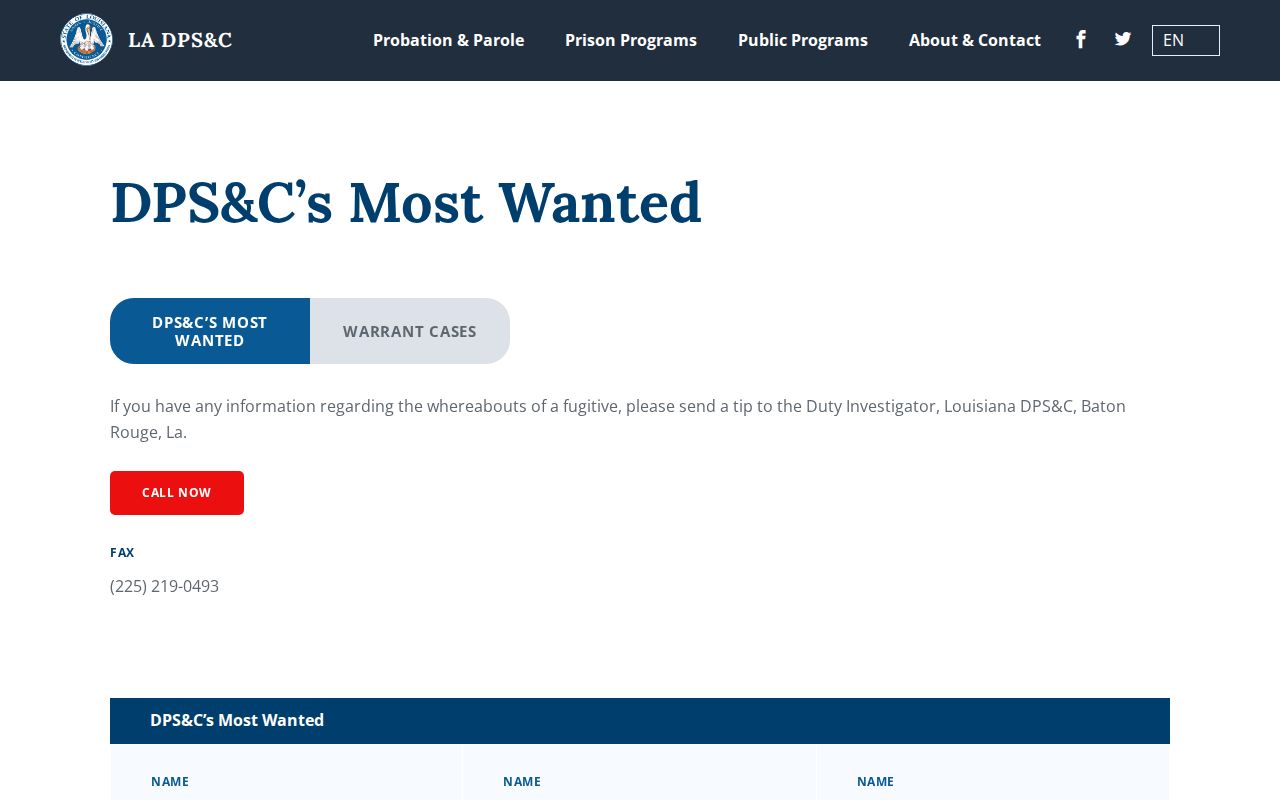
Treat it as one narrow program rather than a statewide warrant search.
How Most Wanted Differs From an Active Warrant
Most wanted and active warrant are different terms in Union Parish, and the difference decides your next step.
| Feature | Most Wanted Program | Active Warrant |
|---|---|---|
| Scope | A curated subset chosen for publicity | Any unserved process a court has issued |
| Who publishes it | A tip program or a state agency | The issuing court holds the record |
| Public visibility | Program decides what to feature | Often not published at all in this parish |
| How it resolves | An arrest, and the case proceeds | Surrender, bond, appearance, or recall |
Union Parish names are not the whole story. The Union Parish active warrant page explains why a missing name proves nothing and how to confirm a status with the court.
Federal Warrant Programs That Cover Union Parish
Federal cases run through a different agency. Union Parish sits in the Western District of Louisiana. The U.S. Marshals Service covers the district from a Monroe office, and a regional fugitive task force operates alongside it. Those channels exist for federal information. They also route calls to the right agency. They are not a self-service lookup for a state or city warrant. No public federal roster lists every open federal case. With a federal case number in hand, the federal court or an attorney is the correct path. For a Union Parish case, ask the issuing Louisiana court.
No Public Union Parish Warrant Roster Located
The Union Parish sheriff's site posts no name search, no outstanding-warrant roster, and no most-wanted list. Its navigation offers Sex Offenders and Crime Stoppers. Neither one is a warrant database. Because of that gap, no curated program page can stand in for a complete warrant record.
- A curated list covers only the cases the program chooses to publish
- A Clerk index shows case records rather than a live warrant feed
- A payment portal records money, not warrant status
- A tip program collects information instead of answering status questions
When You Believe You Are Listed
Seeing your name on a Union Parish most-wanted page means the sheriff is publicizing the case. It changes nothing about how the warrant is handled. Call the issuing court, get a lawyer, and ask about a surrender or a recall motion rather than waiting to be found. That step matters far more than the listing.
Important: Contact a Louisiana attorney before acting. Do not approach an agency or a tip line to discuss your own case, because a lawyer can confirm the warrant and arrange the next step on terms you can prepare for.
The county home page walks through the Union Parish recall, summons, and bond steps in their usual order.